The world could stumble into a Third World War – Flip Buys

By Flip Buys, Chairperson of the Solidarity Movement
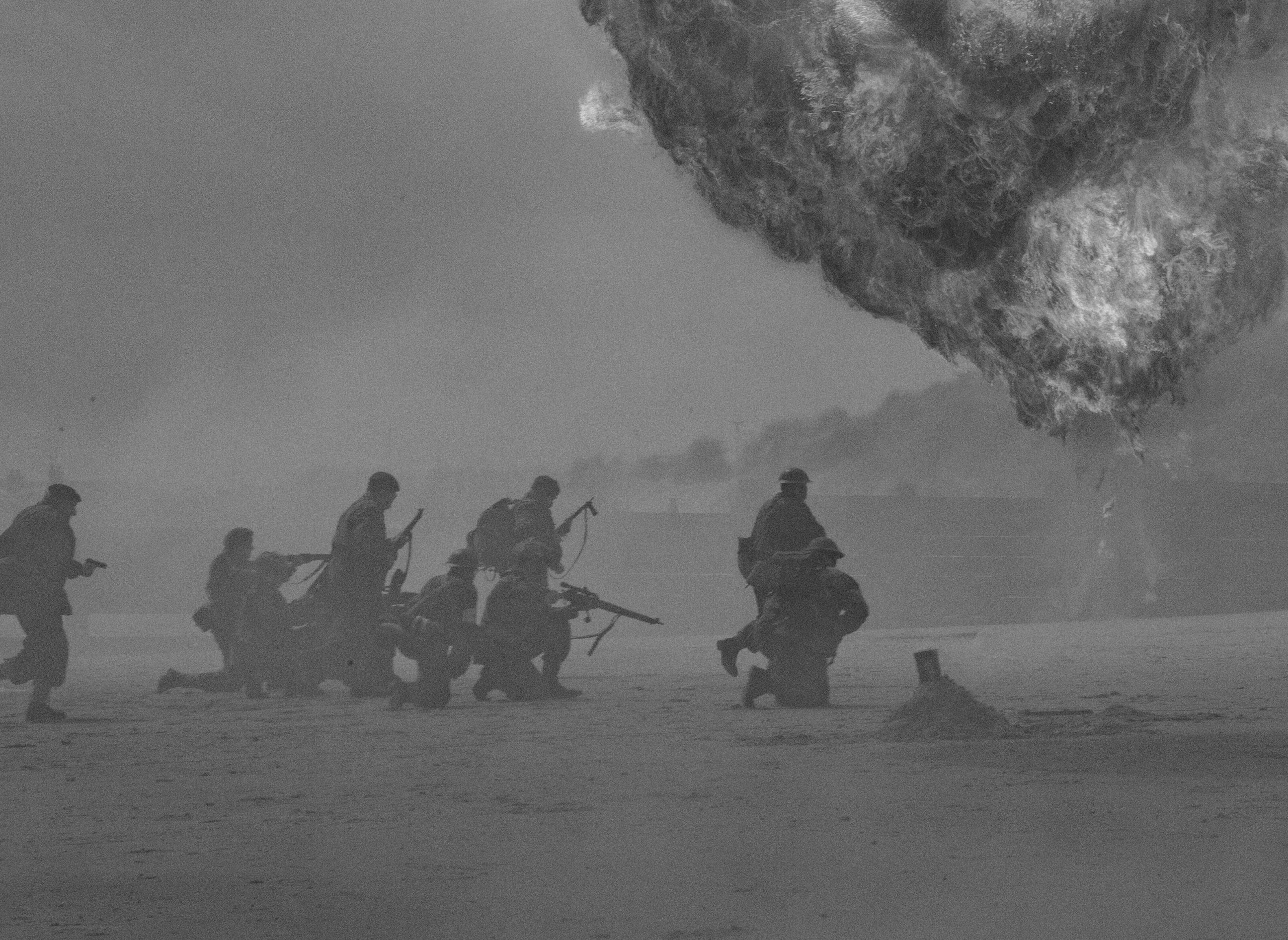
Illustration. (Photo: Duncan Kidd/Unsplash)

“Russia has brought war back to Europe, and we must be prepared for the scale of war our grandparents and great grandparents endured,” NATO chief Mark Rutte said in December, referring to World Wars I and II. Rutte’s stark warning was followed by similar warnings about the danger of a continental war against Russia from German Chancellor, Friedrich Merz, German Defence Minister, Boris Pistorius, NATO’s Military Chief Admiral, Rob Bauer, and senior leaders from Britain, Poland, Sweden, and Norway.

Although Russia’s conventional forces are not strong enough to fight against the entire NATO, three factors give Europeans sleepless nights:

  • the first is that the US government wants Europe to take care of its own security, because the US wants to focus on China;
  • Europe cannot stand up to Russian military mass production, and
  • the Russians have the world’s largest nuclear arsenal, and their military doctrine includes its use under certain conditions.

The terrifying warning of nuclear physicist Albert Einstein looms before humanity once again: If there is a Third World War, the fourth will have to be fought with sticks and stones. Einstein, of course, meant that another global war could destroy the world.

Ukraine

Military experts consider the war in Ukraine to be the most dangerous international conflict since the Cuban Missile Crisis of 1962. There is a danger that it could escalate into a large-scale European war, which could include tactical nuclear weapons. The most important elements of such a nightmare are already present, and the situation is reminiscent of the run-up to World War I. These include:

  • two sides with irreconcilable positions, each strongly believing in its cause;
  • no formal peace negotiations, and both powers fighting for a military victory;
  • both sides escalating their objectives since the start of the war;
  • it is not just a regional conflict – several major powers with nuclear weapons are involved; and
  • the alliance system increases the chances of a larger war, because an “attack on one is considered an attack on all”.

The history of war shows that a relatively limited conflict between two countries can easily escalate into a larger war between great powers. A pertinent example is the Crimean War of the 1850s between Russia on one side, and Britain, France, Turkey and Sardinia on the other.

Prof Shepard Clough, professor of history at Columbia University, described the lead-up to this war as follows:

“The war was not the result of a calculated plan, nor even of hasty last-minute decisions made under stress. It was the consequence of more than two years of fatal blundering in slow-motion by inept statesmen who had months to reflect upon the actions they took. It arose from [some leaders’] search for prestige; the competing quest for control over the Straits; the mutual naïve miscalculation of the probable reactions of other powers; the failure of those powers to make their positions clear; and the pressure of public opinion in all countries at crucial moments.”

These words also apply to the current war, because there was a very long lead-up to these tragic events during which they could have been prevented.

Goals change

Initially, the Russians’ goal was to prevent Ukraine from joining the NATO military alliance, which, from the Russian perspective, would become a “direct threat to Russian security,” in the words of President Vladimir Putin.

The Russians have now escalated this goal to a military victory and the occupation of territory, especially in the East, where a large number of Russians live.

NATO initially intended only to assist Ukraine in preventing a Russian victory and to help secure a favourable peace agreement. In the meantime, however, the West’s goal has also escalated to a military victory and the elimination of Russia as a great power.

There are normally three routes to large-scale escalation that are part of the dynamics of war:

  • One or both sides escalate the war to win.
  • One or both sides escalate the war to avoid defeat.
  • The war escalates unintentionally, e.g. as a result of an unforeseen event that is typical of wars.

Defend after attack

The West initially supplied Ukraine with defensive weapons, such as tanks and air defence weapons. After their goal changed to military victory, large quantities of modern offensive weapons were sent to Ukraine.

Henry Kissinger’s warning words about the mistakes made in the run-up to World War I in 1914 are still relevant today:

“They seemed oblivious to the huge casualties of the still relatively recent American Civil War, and expected a short, decisive conflict. It never occurred to them that the failure to make their alliances correspond to rational political objectives would lead to the destruction of civilisation as they knew it. Instead, the Great Powers managed to construct a diplomatic doomsday machine, though they were unaware of what they had done.”

The First World War is also a lesson that good intentions can lead to terrible outcomes. As the American thinker, Thomas Sowell, put it: “The First World War […] was said to be a war ‘to make the world safe for democracy.’ What it actually led to was the replacement of despotic dynasties by totalitarian dictatorships that were far worse”.

One shot, three wars

The assassination of the Austrian crown prince, Franz Ferdinand, by a young Serbian assassin on June 28, 1914, set in motion a chain of events. This ultimately led to two world wars in which a combined total of about 100 million people died, and then the Cold War between East and West. In history, the end of one war has often served only as a prelude to the next. For example, the oppressive peace agreement of World War I played a decisive role in the emergence of World War II. The end of this war then marked the beginning of the dangerous Cold War, which divided the world for decades into two power blocs that glared at each other over nuclear weapons.

Nuclear weapons

The question is under which circumstances one of the two sides will use nuclear weapons. The West is using its full arsenal of economic and diplomatic power, providing large-scale arms and financial assistance to Ukraine, without sending troops.

From the statements of Western leaders, it appears that there are four possible motives why the West itself might become militarily involved: if the war drags on for a long time; if there is no prospect of a diplomatic solution or a Ukrainian victory; if the economic costs for the West become too high; or if they are desperate to end the conflict quickly, for example out of fear that the Chinese will use the crisis to launch an attack on Taiwan. If the Ukrainian army is in danger of losing, the West could also step in to prevent a defeat. The last possibility is if the Ukrainians attack Russian towns or cities to provoke a major Russian counter-reaction that could involve the West in the war.

Russian nuclear weapons

President Putin has already described the tough Western sanctions as a declaration of war, which, from a Russian perspective, sets the stage for possible forceful action against NATO. Russian military doctrine provides for circumstances in which Russia would use nuclear weapons. These are:

  • when the Russians decide to stop the flow of Western weapons, and then attack a NATO country such as Poland, through which the weapons are moving;
  • when NATO forces enter the war themselves;
  • to prevent a Russian defeat; and
  • if the war becomes too long and dragged out that they want to end it at all costs.

The Central Intelligence Agency (CIA) takes the threat of nuclear weapons so seriously that in 2022 it warned: “None of us can take the imminent danger of the use of tactical nuclear weapons lightly.”

Tactical nuclear weapons are smaller weapons designed to destroy cities or an army, and are not intercontinental ballistic missiles. However, they can quickly lead to a greater escalation where even more dangerous nuclear weapons can be used.

Other possibilities

Fortunately, the danger of an escalation to nuclear weapons certainly does not mean that it will necessarily happen. In the past, the horrific possibility of it was enough to prevent it. The Russians have already caused terrible damage in Ukraine, but have so far been very reluctant to escalate the war further. They have not yet sent in their entire army, called up large numbers of soldiers, or declared “total war”.

The best deterrent to war remains the lessons of history. The problem is that there is no convincing evidence that today’s world leaders have the historical knowledge to prevent wars. As Thomas Sowell so aptly puts it:

“The monumental tragedies of the 20th century — a worldwide Great Depression, two devastating World Wars, the Holocaust, famines killing millions in the Soviet Union and tens of millions in China — should leave us with a sobering sense of the threats to any society. But this generation’s ignorance of history leaves them free to be frivolous — until the next catastrophe strikes, and catches them completely by surprise.”

Humanity can only pray and hope that the imminent danger of an escalating war will be a powerful incentive for the warring parties to find a diplomatic solution prematurely. Fortunately, in practice, a “Third World War” will not easily break out, as the US military power is currently so overwhelming that other great powers will not simply challenge it.

The key to lasting world peace has historically been twofold: deterrence of enemies and reassurance that no attack is planned against anyone. The challenge for the US is therefore to deter China, for example, but at the same time reassure them that they will not be attacked. Then the world will be a safer place!

Deel

Articles

Inleiding
Hoofstuk 1
Hoofstuk 2
Hoofstuk 3
Hoofstuk 5
Hoofstuk 7
Hoofstuk 8
Hoofstuk 12
Hoofstuk 15
Hoofstuk 16
Hoofstuk 17
Hoofstuk 19
Hoofstuk 20
Hoofstuk 21
Hoofstuk 22
Hoofstuk 23
Hoofstuk 25
Hoofstuk 27
Hoofstuk 28
Hoofstuk 31
Hoofstuk 32
Hoofstuk 34
Slot

Geskiedenisfonds

ʼn Fonds wat help om die Afrikanergeskiedenis te bevorder.

FAK

Die Federasie van Afrikaanse Kultuurvereniginge (FAK) is reeds in 1929 gestig. Vandag is die FAK steeds dié organisasie wat jou toelaat om kreatief te wees in jou taal en kultuur. Die FAK is ’n toekomsgerigte kultuurorganisasie wat ’n tuiste vir die Afrikaanse taal en kultuur bied en die trotse Afrikanergeskiedenis positief bevorder.

Solidariteit Helpende Hand

Solidariteit Helpende Hand fokus op maatskaplike welstand en dié organisasie se groter visie is om oplossings vir die hantering van Afrikanerarmoede te vind.

Solidariteit Helpende Hand se roeping is om armoede deur middel van gemeenskapsontwikkeling op te los. Solidariteit Helpende Hand glo dat mense ʼn verantwoordelikheid teenoor mekaar en teenoor die gemeenskap het.

Solidariteit Helpende Hand is geskoei op die idees van die Afrikaner-Helpmekaarbeweging van 1949 met ʼn besondere fokus op “help”, “saam” en “ons.”

Forum Sekuriteit

Forum Sekuriteit is in die lewe geroep om toonaangewende, dinamiese en doeltreffende privaat sekuriteitsdienste in

Suid-Afrika te voorsien en op dié wyse veiligheid in gemeenskappe te verhoog.

AfriForumTV

AfriForumTV is ʼn digitale platform wat aanlyn en gratis is en visuele inhoud aan lede en nielede bied. Intekenaars kan verskeie kanale in die gemak van hul eie huis op hul televisiestel, rekenaar of selfoon verken deur van die AfriForumTV-app gebruik te maak. AfriForumTV is nóg ʼn kommunikasiestrategie om die publiek bewus te maak van AfriForum se nuus en gebeure, maar ook om vermaak deur films en fiksie- en realiteitsreekse te bied. Hierdie inhoud gaan verskaf word deur AfriForumTV self, instellings binne die Solidariteit Beweging en eksterne inhoudverskaffers.

AfriForum Uitgewers

AfriForum Uitgewers (voorheen bekend as Kraal Uitgewers) is die trotse uitgewershuis van die Solidariteit Beweging en is die tuiste van Afrikaanse niefiksie-, Afrikanergeskiedenis- én prima Afrikaanse produkte. Dié uitgewer het onlangs sy fokus verskuif en gaan voortaan slegs interne publikasies van die Solidariteit Beweging publiseer.

AfriForum Jeug

AfriForum Jeug is die amptelike jeugafdeling van AfriForum, die burgerregte-inisiatief wat deel van die Solidariteit Beweging vorm. AfriForum Jeug berus op Christelike beginsels en ons doel is om selfstandigheid onder jong Afrikaners te bevorder en die realiteite in Suid-Afrika te beïnvloed deur veldtogte aan te pak en aktief vir jongmense se burgerregte standpunt in te neem.

De Goede Hoop-koshuis

De Goede Hoop is ʼn moderne, privaat Afrikaanse studentekoshuis met hoë standaarde. Dit is in Pretoria geleë.

De Goede Hoop bied ʼn tuiste vir dinamiese studente met Christelike waardes en ʼn passie vir Afrikaans; ʼn tuiste waar jy as jongmens in gesonde studentetradisies kan deel en jou studentwees met selfvertroue in Afrikaans kan uitleef.

Studiefondssentrum

DIE HELPENDE HAND STUDIETRUST (HHST) is ʼn inisiatief van Solidariteit Helpende Hand en is ʼn geregistreerde openbare weldaadsorganisasie wat behoeftige Afrikaanse studente se studie moontlik maak deur middel van rentevrye studielenings.

Die HHST administreer tans meer as 200 onafhanklike studiefondse namens verskeie donateurs en het reeds meer as 6 300 behoeftige studente se studie moontlik gemaak met ʼn totaal van R238 miljoen se studiehulp wat verleen is.

S-leer

Solidariteit se sentrum vir voortgesette leer is ʼn opleidingsinstelling wat voortgesette professionele ontwikkeling vir professionele persone aanbied. S-leer het ten doel om werkendes met die bereiking van hul loopbaandoelwitte by te staan deur die aanbieding van seminare, kortkursusse, gespreksgeleenthede en e-leer waarin relevante temas aangebied en bespreek word.

Solidariteit Jeug

Solidariteit Jeug berei jongmense voor vir die arbeidsmark, staan op vir hul belange en skakel hulle in by die Netwerk van Werk. Solidariteit Jeug is ʼn instrument om jongmense te help met loopbaankeuses en is ʼn tuiskomplek vir jongmense.

Solidariteit Regsfonds

ʼn Fonds om die onregmatige toepassing van regstellende aksie teen te staan.

Solidariteit Boufonds

ʼn Fonds wat spesifiek ten doel het om Solidariteit se opleidingsinstellings te bou.

Solidariteit Finansiële Dienste (SFD)

SFD is ʼn gemagtigde finansiëledienstemaatskappy wat deel is van die Solidariteit Beweging. Die instelling se visie is om die toekomstige finansiële welstand, finansiële sekerheid en volhoubaarheid van Afrikaanse individue en ondernemings te bevorder. SFD doen dit deur middel van mededingende finansiële dienste en produkte, in Afrikaans en met uitnemende diens vir ʼn groter doel aan te bied.

Ons Sentrum

Die Gemeenskapstrukture-afdeling bestaan tans uit twee mediese ondersteuningsprojekte en drie gemeenskapsentrums, naamlik Ons Plek in die Strand, Derdepoort en Volksrust. Die drie gemeenskapsentrums is gestig om veilige kleuter- en/of naskoolversorging in die onderskeie gemeenskappe beskikbaar te stel. Tans akkommodeer die gemeenskapsentrums altesaam 158 kinders in die onderskeie naskoolsentrums, terwyl Ons Plek in die Strand 9 kleuters en Ons Plek in Volksrust 16 kleuters in die kleuterskool het.

Skoleondersteuningsentrum (SOS)

Die Solidariteit Skoleondersteuningsentrum (SOS) se visie is om die toekoms van Christelike, Afrikaanse onderwys te (help) verseker deur gehalte onderrig wat reeds bestaan in stand te (help) hou, én waar nodig nuut te (help) bou.

Die SOS se doel is om elke skool in ons land waar onderrig in Afrikaans aangebied word, by te staan om in die toekoms steeds onderrig van wêreldgehalte te bly bied en wat tred hou met die nuutste navorsing en internasionale beste praktyke.

Sol-Tech

Sol-Tech is ʼn geakkrediteerde, privaat beroepsopleidingskollege wat op Christelike waardes gefundeer is en Afrikaans as onderrigmedium gebruik.

Sol-Tech fokus op beroepsopleiding wat tot die verwerwing van nasionaal erkende, bruikbare kwalifikasies lei. Sol-Tech het dus ten doel om jongmense se toekomsdrome met betrekking tot loopbaanontwikkeling deur doelspesifieke opleiding te verwesenlik.

Akademia

Akademia is ’n Christelike hoëronderwysinstelling wat op ’n oop, onbevange en kritiese wyse ’n leidinggewende rol binne die hedendaagse universiteitswese speel.

Akademia streef daarna om ʼn akademiese tuiste te bied waar sowel die denke as die hart gevorm word met die oog op ʼn betekenisvolle en vrye toekoms.

AfriForum Publishers

AfriForum Uitgewers (previously known as Kraal Uitgewers) is the proud publishing house of the Solidarity Movement and is the home of Afrikaans non-fiction, products related to the Afrikaner’s history, as well as other prime Afrikaans products. The publisher recently shifted its focus and will only publish internal publications of the Solidarity Movement from now on.

Maroela Media

Maroela Media is ʼn Afrikaanse internetkuierplek waar jy alles kan lees oor dit wat in jou wêreld saak maak – of jy nou in Suid-Afrika bly of iewers anders woon en deel van die Afrikaanse Maroela-gemeenskap wil wees. Maroela Media se Christelike karakter vorm die kern van sy redaksionele beleid.

Kanton Beleggingsmaatskappy

Kanton is ʼn beleggingsmaatskappy vir eiendom wat deur die Solidariteit Beweging gestig is. Die eiendomme van die Solidariteit Beweging dien as basis van die portefeulje wat verder deur ontwikkeling uitgebrei sal word.

Kanton is ʼn vennootskap tussen kultuur en kapitaal en fokus daarop om volhoubare eiendomsoplossings aan instellings in die Afrikaanse gemeenskap teen ʼn goeie opbrengs te voorsien sodat hulle hul doelwitte kan bereik.

Wolkskool

Wolkskool is ʼn produk van die Skoleondersteuningsentrum (SOS), ʼn niewinsgewende organisasie met ʼn span onderwyskundiges wat ten doel het om gehalte- Afrikaanse onderrig te help verseker. Wolkskool bied ʼn platform waar leerders 24-uur toegang tot video-lesse, vraestelle, werkkaarte met memorandums en aanlyn assessering kan kry.

Ajani

Ajani is ‘n privaat geregistreerde maatskappy wat dienste aan ambagstudente ten opsigte van plasing by werkgewers bied.

Ajani is a registered private company that offers placement opportunities to artisan students in particular.

Begrond Instituut

Die Begrond Instituut is ʼn Christelike navorsingsinstituut wat die Afrikaanse taal en kultuur gemeenskap bystaan om Bybelse antwoorde op belangrike lewensvrae te kry.

Sakeliga

ʼn Onafhanklike sake-organisasie

Pretoria FM en Klankkoerant

ʼn Gemeenskapsgebaseerde radiostasie en nuusdiens

Saai

ʼn Familieboer-landbounetwerk wat hom daarvoor beywer om na die belange van familieboere om te sien deur hul regte te beskerm en te bevorder.

Ons Winkel

Ons Winkels is Solidariteit Helpende Hand se skenkingswinkels. Daar is bykans 120 winkels landwyd waar lede van die publiek skenkings van tweedehandse goedere – meubels, kombuisware, linne en klere – kan maak. Die winkels ontvang die skenkings en verkoop goeie kwaliteit items teen bekostigbare pryse aan die publiek.

AfriForum

AfriForum is ʼn burgerregte-organisasie wat Afrikaners, Afrikaanssprekende mense en ander minderheidsgroepe in Suid-Afrika mobiliseer en hul regte beskerm.

AfriForum is ʼn nieregeringsorganisasie wat as ʼn niewinsgewende onderneming geregistreer is met die doel om minderhede se regte te beskerm. Terwyl die organisasie volgens die internasionaal erkende beginsel van minderheidsbeskerming funksioneer, fokus AfriForum spesifiek op die regte van Afrikaners as ʼn gemeenskap wat aan die suidpunt van die vasteland woon. Lidmaatskap is nie eksklusief nie en enige persoon wat hom of haar met die inhoud van die organisasies se Burgerregte-manifes vereenselwig, kan by AfriForum aansluit.