The Solidarity Movement wants to play a positive role in South Africa

South Africa is approaching the fiftieth anniversary of the 1976 Soweto uprising. The rallying cry of black youth in 1976 was: “We do not want to be taught in Afrikaans.” Fifty years later, a new cry has emerged: “You may not be taught in Afrikaans.” The 1976 slogan was a cry for freedom. The slogan of 2026 is its opposite: an attempt to deny Afrikaans speakers the freedom to receive education in their mother tongue.

For Afrikaners, this is nothing new. More than two centuries ago, on 19 July 1822, Lord Charles Somerset, Governor of the Cape, issued a directive declaring English the sole language of instruction in the Colony’s schools. The purpose was clear: to consolidate British dominance.

Concentration camps

A century later, during the Anglo-Boer War, the British established English-medium schools inside concentration camps as part of an effort to anglicise Afrikaner children. The British Director of Education, E.B. Sargant, made the objective explicit: “English must be the only language throughout South Africa.” Following the British victory, the new Governor, Lord Alfred Milner, triumphantly declared: “I have saved the British position in South Africa and have knocked the bottom out of the great Afrikaner nation for ever and ever, Amen.”

Almost a century later, the constitutional settlement of 1994 guaranteed mother-tongue education, including at university level. Afrikaans speakers believed that the lessons of 1822, 1902 and 1976 had finally been learned. They believed that everyone’s freedom to use and develop their language and culture through institutions such as schools and universities was secure. Afrikaans, at last, had been decolonised.

English

Yet the position of non-English languages has deteriorated sharply since 1994. All historically Afrikaans universities and hundreds of Afrikaans schools have, over time, been compelled to anglicise.

The BELA amendments of 2024 grant state officials the final authority over schools’ language and admission policies. This caused significant concern among Afrikaans-speaking communities because ANC politicians, acting as modern-day Lord Somersets, made it clear that they intended to use the legislation to force Afrikaans schools to change their language policies.

Broken agreements

The tensions created by these legislative amendments and political statements led to negotiations between the government and Afrikaans interest groups, resulting in two separate settlements. Those settlements were effectively abandoned almost immediately after the President proceeded with the implementation of the BELA Amendment Act. Shortly thereafter, the ANC government also reneged on an agreement concerning affirmative action that had been reached with Solidarity and facilitated by the International Labour Organisation (ILO), by introducing new racial quotas. During the same period, the President signed legislation enabling expropriation without compensation. To add insult to injury, South Africa’s highest courts ruled that the slogan “Kill the Boer” does not constitute hate speech and is therefore permissible.

These repeated breaches of formal agreements have created a profound breakdown of trust. The Solidarity Movement, which includes AfriForum, views this as a breach of the 1994 settlement itself.

The Afrikaner Declaration

In an effort to repair this growing trust deficit, Afrikaner organisations representing approximately two million people issued an Afrikaner Declaration, extending a hand of cooperation to our fellow South Africans. The declaration made three things clear: that Afrikaners see South Africa as their future; that we wish to work alongside others; and that we seek to create the conditions necessary to protect our language and culture so that Afrikaners are not alienated from their homeland, but are able to build, remain, and contribute to making South Africa a better country for all. The government did not respond.

The ANC versus South Africa

Following President Trump’s election in the United States, Solidarity used its access in Washington to argue that ordinary South Africans should not suffer the consequences of tensions between governments. We love this country, even if we do not support the ANC. We have stated unequivocally that we do not regard the situation in South Africa as a genocide, nor do we view ourselves as refugees. We do, however, believe that the ANC has breached the 1994 settlement, and that the United States has a role to play in supporting reconciliation in South Africa, just as it did before 1994.

Rights, not grievances

Du Preez’s claim that Afrikaners, or the work of the Solidarity Movement, are driven by grievance politics is simply unfounded. We are defending our language and culture and asserting our constitutional rights and freedoms. This is not nationalism; it is cultural self-preservation. The more than 600 000 members of our Movement support our work because we offer practical solutions to challenges, including mother-tongue education, training, safety, and many other pressing concerns.

The Solidarity Movement is a proud South African, Afrikaner and African organisation. We are building the cultural ecosystem necessary to ensure that Afrikaners can continue to live, build and thrive in South Africa with confidence. In doing so, we seek to make a lasting contribution to the wellbeing of this country and all its people.

By Flip Buys, chairperson of the Solidarity Movement.

Deel

Articles

Inleiding
Hoofstuk 1
Hoofstuk 2
Hoofstuk 3
Hoofstuk 5
Hoofstuk 7
Hoofstuk 8
Hoofstuk 12
Hoofstuk 15
Hoofstuk 16
Hoofstuk 17
Hoofstuk 19
Hoofstuk 20
Hoofstuk 21
Hoofstuk 22
Hoofstuk 23
Hoofstuk 25
Hoofstuk 27
Hoofstuk 28
Hoofstuk 31
Hoofstuk 32
Hoofstuk 34
Slot

Geskiedenisfonds

ʼn Fonds wat help om die Afrikanergeskiedenis te bevorder.

FAK

Die Federasie van Afrikaanse Kultuurvereniginge (FAK) is reeds in 1929 gestig. Vandag is die FAK steeds dié organisasie wat jou toelaat om kreatief te wees in jou taal en kultuur. Die FAK is ’n toekomsgerigte kultuurorganisasie wat ’n tuiste vir die Afrikaanse taal en kultuur bied en die trotse Afrikanergeskiedenis positief bevorder.

Solidariteit Helpende Hand

Solidariteit Helpende Hand fokus op maatskaplike welstand en dié organisasie se groter visie is om oplossings vir die hantering van Afrikanerarmoede te vind.

Solidariteit Helpende Hand se roeping is om armoede deur middel van gemeenskapsontwikkeling op te los. Solidariteit Helpende Hand glo dat mense ʼn verantwoordelikheid teenoor mekaar en teenoor die gemeenskap het.

Solidariteit Helpende Hand is geskoei op die idees van die Afrikaner-Helpmekaarbeweging van 1949 met ʼn besondere fokus op “help”, “saam” en “ons.”

Forum Sekuriteit

Forum Sekuriteit is in die lewe geroep om toonaangewende, dinamiese en doeltreffende privaat sekuriteitsdienste in

Suid-Afrika te voorsien en op dié wyse veiligheid in gemeenskappe te verhoog.

AfriForumTV

AfriForumTV is ʼn digitale platform wat aanlyn en gratis is en visuele inhoud aan lede en nielede bied. Intekenaars kan verskeie kanale in die gemak van hul eie huis op hul televisiestel, rekenaar of selfoon verken deur van die AfriForumTV-app gebruik te maak. AfriForumTV is nóg ʼn kommunikasiestrategie om die publiek bewus te maak van AfriForum se nuus en gebeure, maar ook om vermaak deur films en fiksie- en realiteitsreekse te bied. Hierdie inhoud gaan verskaf word deur AfriForumTV self, instellings binne die Solidariteit Beweging en eksterne inhoudverskaffers.

AfriForum Uitgewers

AfriForum Uitgewers (voorheen bekend as Kraal Uitgewers) is die trotse uitgewershuis van die Solidariteit Beweging en is die tuiste van Afrikaanse niefiksie-, Afrikanergeskiedenis- én prima Afrikaanse produkte. Dié uitgewer het onlangs sy fokus verskuif en gaan voortaan slegs interne publikasies van die Solidariteit Beweging publiseer.

AfriForum Jeug

AfriForum Jeug is die amptelike jeugafdeling van AfriForum, die burgerregte-inisiatief wat deel van die Solidariteit Beweging vorm. AfriForum Jeug berus op Christelike beginsels en ons doel is om selfstandigheid onder jong Afrikaners te bevorder en die realiteite in Suid-Afrika te beïnvloed deur veldtogte aan te pak en aktief vir jongmense se burgerregte standpunt in te neem.

De Goede Hoop-koshuis

De Goede Hoop is ʼn moderne, privaat Afrikaanse studentekoshuis met hoë standaarde. Dit is in Pretoria geleë.

De Goede Hoop bied ʼn tuiste vir dinamiese studente met Christelike waardes en ʼn passie vir Afrikaans; ʼn tuiste waar jy as jongmens in gesonde studentetradisies kan deel en jou studentwees met selfvertroue in Afrikaans kan uitleef.

Studiefondssentrum

DIE HELPENDE HAND STUDIETRUST (HHST) is ʼn inisiatief van Solidariteit Helpende Hand en is ʼn geregistreerde openbare weldaadsorganisasie wat behoeftige Afrikaanse studente se studie moontlik maak deur middel van rentevrye studielenings.

Die HHST administreer tans meer as 200 onafhanklike studiefondse namens verskeie donateurs en het reeds meer as 6 300 behoeftige studente se studie moontlik gemaak met ʼn totaal van R238 miljoen se studiehulp wat verleen is.

S-leer

Solidariteit se sentrum vir voortgesette leer is ʼn opleidingsinstelling wat voortgesette professionele ontwikkeling vir professionele persone aanbied. S-leer het ten doel om werkendes met die bereiking van hul loopbaandoelwitte by te staan deur die aanbieding van seminare, kortkursusse, gespreksgeleenthede en e-leer waarin relevante temas aangebied en bespreek word.

Solidariteit Jeug

Solidariteit Jeug berei jongmense voor vir die arbeidsmark, staan op vir hul belange en skakel hulle in by die Netwerk van Werk. Solidariteit Jeug is ʼn instrument om jongmense te help met loopbaankeuses en is ʼn tuiskomplek vir jongmense.

Solidariteit Regsfonds

ʼn Fonds om die onregmatige toepassing van regstellende aksie teen te staan.

Solidariteit Boufonds

ʼn Fonds wat spesifiek ten doel het om Solidariteit se opleidingsinstellings te bou.

Solidariteit Finansiële Dienste (SFD)

SFD is ʼn gemagtigde finansiëledienstemaatskappy wat deel is van die Solidariteit Beweging. Die instelling se visie is om die toekomstige finansiële welstand, finansiële sekerheid en volhoubaarheid van Afrikaanse individue en ondernemings te bevorder. SFD doen dit deur middel van mededingende finansiële dienste en produkte, in Afrikaans en met uitnemende diens vir ʼn groter doel aan te bied.

Ons Sentrum

Die Gemeenskapstrukture-afdeling bestaan tans uit twee mediese ondersteuningsprojekte en drie gemeenskapsentrums, naamlik Ons Plek in die Strand, Derdepoort en Volksrust. Die drie gemeenskapsentrums is gestig om veilige kleuter- en/of naskoolversorging in die onderskeie gemeenskappe beskikbaar te stel. Tans akkommodeer die gemeenskapsentrums altesaam 158 kinders in die onderskeie naskoolsentrums, terwyl Ons Plek in die Strand 9 kleuters en Ons Plek in Volksrust 16 kleuters in die kleuterskool het.

Skoleondersteuningsentrum (SOS)

Die Solidariteit Skoleondersteuningsentrum (SOS) se visie is om die toekoms van Christelike, Afrikaanse onderwys te (help) verseker deur gehalte onderrig wat reeds bestaan in stand te (help) hou, én waar nodig nuut te (help) bou.

Die SOS se doel is om elke skool in ons land waar onderrig in Afrikaans aangebied word, by te staan om in die toekoms steeds onderrig van wêreldgehalte te bly bied en wat tred hou met die nuutste navorsing en internasionale beste praktyke.

Sol-Tech

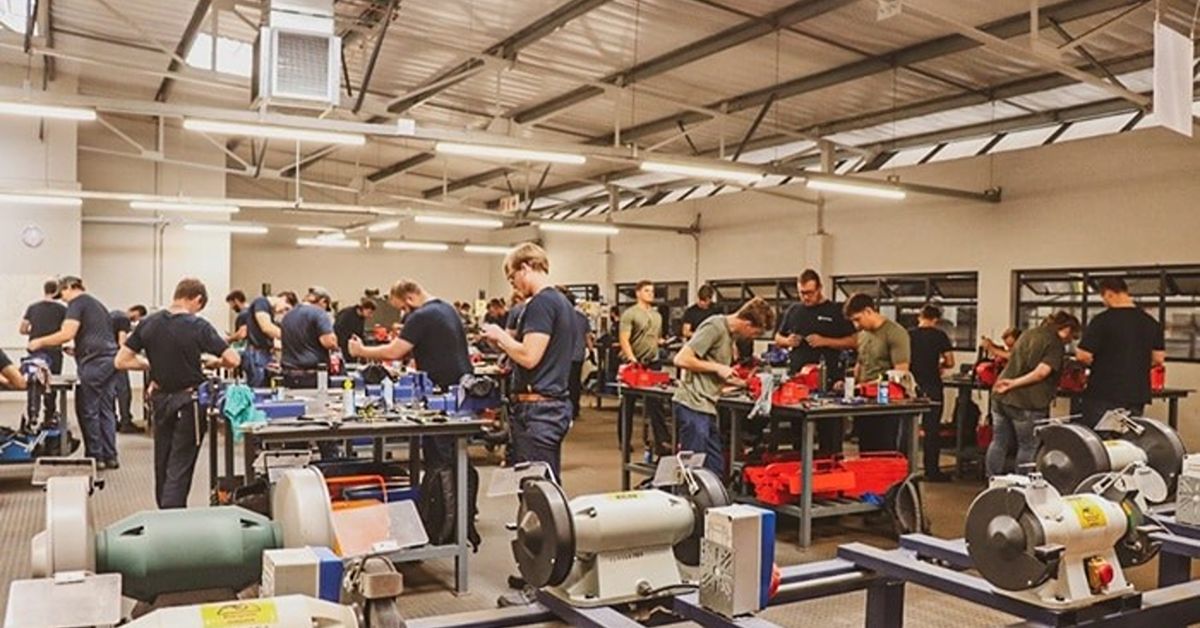
Sol-Tech is ʼn geakkrediteerde, privaat beroepsopleidingskollege wat op Christelike waardes gefundeer is en Afrikaans as onderrigmedium gebruik.

Sol-Tech fokus op beroepsopleiding wat tot die verwerwing van nasionaal erkende, bruikbare kwalifikasies lei. Sol-Tech het dus ten doel om jongmense se toekomsdrome met betrekking tot loopbaanontwikkeling deur doelspesifieke opleiding te verwesenlik.

Akademia

Akademia is ’n Christelike hoëronderwysinstelling wat op ’n oop, onbevange en kritiese wyse ’n leidinggewende rol binne die hedendaagse universiteitswese speel.

Akademia streef daarna om ʼn akademiese tuiste te bied waar sowel die denke as die hart gevorm word met die oog op ʼn betekenisvolle en vrye toekoms.

AfriForum Publishers

AfriForum Uitgewers (previously known as Kraal Uitgewers) is the proud publishing house of the Solidarity Movement and is the home of Afrikaans non-fiction, products related to the Afrikaner’s history, as well as other prime Afrikaans products. The publisher recently shifted its focus and will only publish internal publications of the Solidarity Movement from now on.

Maroela Media

Maroela Media is ʼn Afrikaanse internetkuierplek waar jy alles kan lees oor dit wat in jou wêreld saak maak – of jy nou in Suid-Afrika bly of iewers anders woon en deel van die Afrikaanse Maroela-gemeenskap wil wees. Maroela Media se Christelike karakter vorm die kern van sy redaksionele beleid.

Kanton Beleggingsmaatskappy

Kanton is ʼn beleggingsmaatskappy vir eiendom wat deur die Solidariteit Beweging gestig is. Die eiendomme van die Solidariteit Beweging dien as basis van die portefeulje wat verder deur ontwikkeling uitgebrei sal word.

Kanton is ʼn vennootskap tussen kultuur en kapitaal en fokus daarop om volhoubare eiendomsoplossings aan instellings in die Afrikaanse gemeenskap teen ʼn goeie opbrengs te voorsien sodat hulle hul doelwitte kan bereik.

Wolkskool

Wolkskool is ʼn produk van die Skoleondersteuningsentrum (SOS), ʼn niewinsgewende organisasie met ʼn span onderwyskundiges wat ten doel het om gehalte- Afrikaanse onderrig te help verseker. Wolkskool bied ʼn platform waar leerders 24-uur toegang tot video-lesse, vraestelle, werkkaarte met memorandums en aanlyn assessering kan kry.

Ajani

Ajani is ‘n privaat geregistreerde maatskappy wat dienste aan ambagstudente ten opsigte van plasing by werkgewers bied.

Ajani is a registered private company that offers placement opportunities to artisan students in particular.

Begrond Instituut

Die Begrond Instituut is ʼn Christelike navorsingsinstituut wat die Afrikaanse taal en kultuur gemeenskap bystaan om Bybelse antwoorde op belangrike lewensvrae te kry.

Sakeliga

ʼn Onafhanklike sake-organisasie

Pretoria FM en Klankkoerant

ʼn Gemeenskapsgebaseerde radiostasie en nuusdiens

Saai

ʼn Familieboer-landbounetwerk wat hom daarvoor beywer om na die belange van familieboere om te sien deur hul regte te beskerm en te bevorder.

Ons Winkel

Ons Winkels is Solidariteit Helpende Hand se skenkingswinkels. Daar is bykans 120 winkels landwyd waar lede van die publiek skenkings van tweedehandse goedere – meubels, kombuisware, linne en klere – kan maak. Die winkels ontvang die skenkings en verkoop goeie kwaliteit items teen bekostigbare pryse aan die publiek.

AfriForum

AfriForum is ʼn burgerregte-organisasie wat Afrikaners, Afrikaanssprekende mense en ander minderheidsgroepe in Suid-Afrika mobiliseer en hul regte beskerm.

AfriForum is ʼn nieregeringsorganisasie wat as ʼn niewinsgewende onderneming geregistreer is met die doel om minderhede se regte te beskerm. Terwyl die organisasie volgens die internasionaal erkende beginsel van minderheidsbeskerming funksioneer, fokus AfriForum spesifiek op die regte van Afrikaners as ʼn gemeenskap wat aan die suidpunt van die vasteland woon. Lidmaatskap is nie eksklusief nie en enige persoon wat hom of haar met die inhoud van die organisasies se Burgerregte-manifes vereenselwig, kan by AfriForum aansluit.